Circle, the company behind USDC, has appointed Gillian Darko as vice president, head of Africa. She joins from Yellow Card, where she was group vice president of strategy.
At Yellow Card, Darko worked on commercial partnerships and market expansion. The company was among Africa’s early crypto firms to prioritize regulatory engagement, securing Botswana’s first virtual asset service provider license in 2022.
Darko previously led JUMO’s Ghana business and held senior roles at JPMorgan Chase, PwC and Intercontinental Exchange.
Her appointment reflects a maturing stablecoin industry, where regulatory experience, institutional relationships and local market knowledge are becoming increasingly important.
It now supports 100s of fintechs across 20 countries.
The milestone underscores the infrastructure quietly powering Africa’s stablecoin boom.
Last year at ETHSafari in Kilifi, Kenya, I spoke to two founders building a payments startup. One told me his team had two engineers, neither a blockchain specialist. Integrating Celo took about two months.
Then they switched to Blockradar.
“It’s like a normal API. They built it like a normal API. It doesn’t feel blockchain at all,” he told me.
Companies putting stablecoins into financial products eventually face the complexity of multiple blockchains. Blockradar abstracts that complexity into familiar API calls, turning months of integration work into hours or days.
We have officially processed our first $1B in transaction volume! What started with a single idea, to build scalable stablecoin infrastructure, has grown into infrastructure supporting hundreds of fintechs across 20+ countries. Here’s what that volume looks like in practice: a Show more

The international lender of last resort says stablecoin issuance has grown to $300 billion in 2025, but increased adoption poses financial risks if left unchecked.
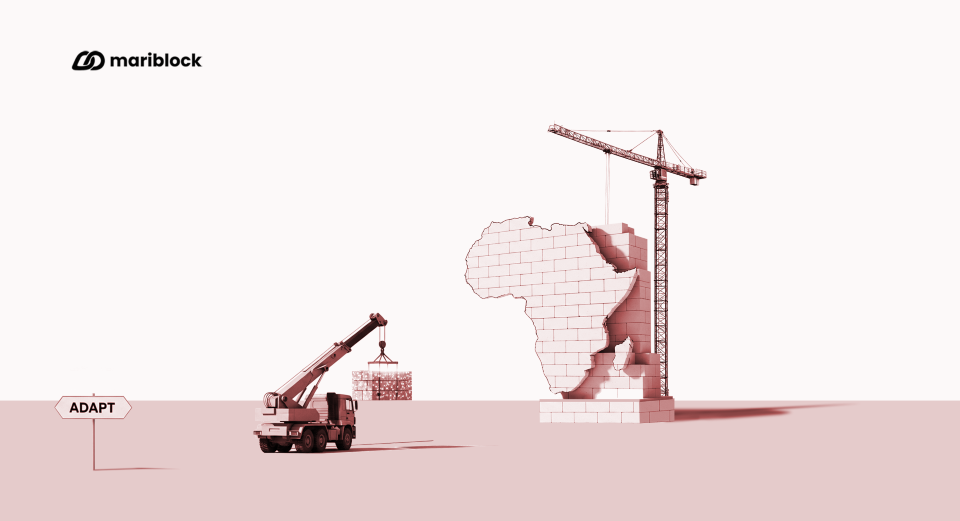
ADAPT, built in partnership with IOTA and the Tony Blair Institute for Global Change, will allow users to settle trades in local currencies and stablecoins.
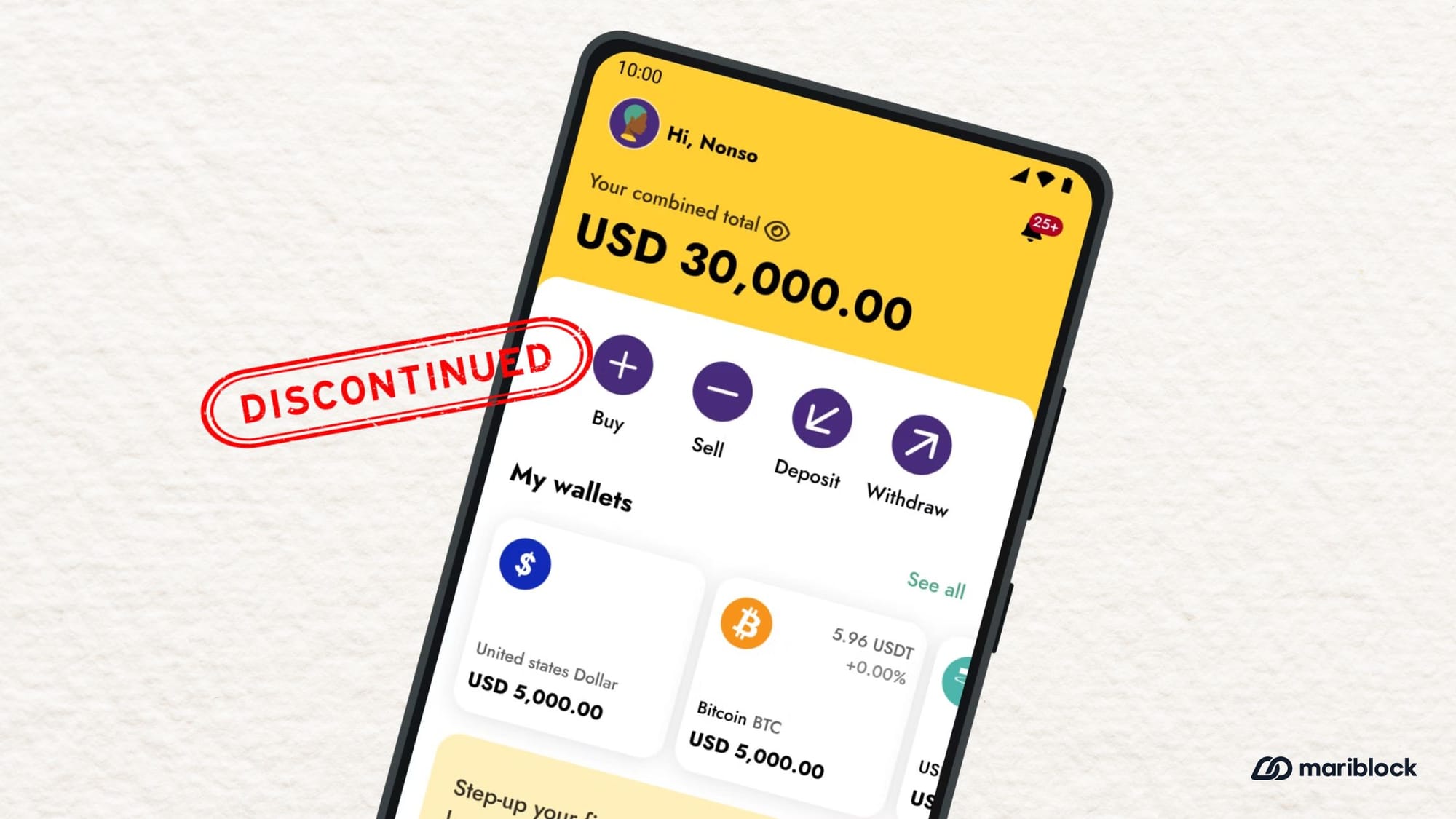
Yellow Card told Mariblock that the decision was driven by strong, growing demand for stablecoin-fiat payment services.

While the full rollout is scheduled for 2026, a pilot program of the product feature is expected to run its course before the end of the year.

Nigeria was previously ranked as the most crypto-curious country in the world.

The bank said Kenya’s payments problems could be solved by other measures besides launching a CBDC.

Kenya has proposed at least three crypto-related tax bills over the past year — two since April 2023. Here’s what these proposals mean for you.

Crypto exchanges in Kenya will soon be mandated to pay a 1.5% duty on every commission received by Kenyans.